Compare Local Contractors for Safe and Effective Baby Proofing
Compare local contractors for baby proofing to verify experience, define scope, and set clear expectations, ensuring a safe and effective solution for your home.
Contractors offering baby proofing services typically handle a range of safety modifications designed to create a secure environment for young children. This work often includes installing safety gates, securing furniture and appliances to walls, adding corner protectors, and adjusting door latches or locks to prevent accidental openings. Some providers may also offer custom solutions tailored to specific spaces, such as kitchens or stairways, ensuring that the entire home is as safe as possible for a curious toddler. Understanding the scope of these services helps property owners determine what safety features are included and what additional measures might be necessary to address unique household needs.
Defining the scope of work is an essential step when selecting a contractor for baby proofing. Clear communication about the specific safety concerns and areas of focus ensures that both property owners and service providers are aligned on expectations. A detailed scope of work can include the types of safety devices to be installed, areas to be prioritized, and any special considerations such as existing furniture or structural features. Having this information in writing helps prevent misunderstandings and provides a basis for evaluating whether a contractor’s expertise and offerings match the safety goals of the household.
Property owners can compare local contractors for baby proofing services by examining their experience, service offerings, and reputation within the community. It’s beneficial to inquire about the types of projects they have completed, especially those similar to the household’s needs. Reviewing any available references or testimonials can provide insights into their reliability and quality of work. Additionally, understanding how each contractor approaches the scope of work and whether they provide detailed written proposals can facilitate a more informed decision. Comparing these factors helps property owners identify service providers who are well-suited to deliver safe, effective baby proofing tailored to their specific home environment.
Compare local contractors by outlining your priorities, verifying experience, and setting clear expectations in writing.
- Compare Contractors - review local service providers to find those with relevant experience in baby proofing.
- Define Scope - clearly outline the areas and safety measures to be addressed in written agreements.
- Verify Experience - check credentials and past work to ensure contractors have appropriate expertise.
- Set Expectations - communicate specific requirements and responsibilities to ensure alignment before work begins.
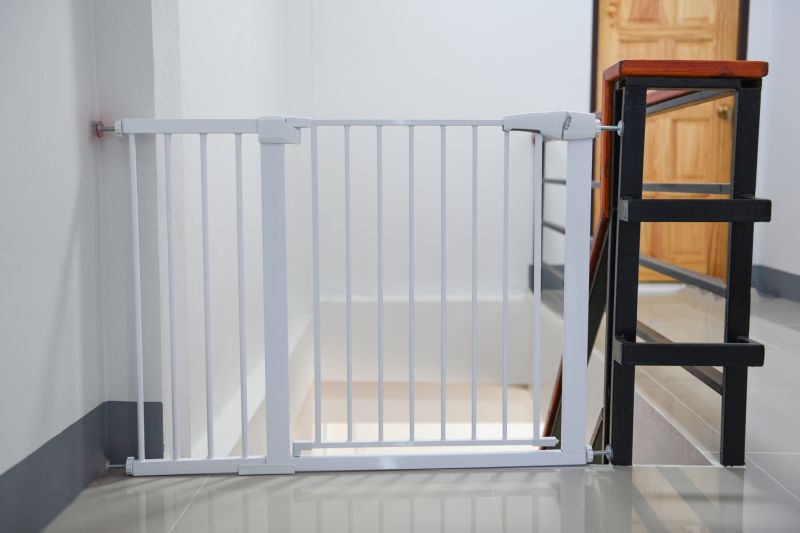
Clearly describe your baby proofing project to help compare local contractors, define scope, and set expectations in writing.
- Verify experience and expertise in baby proofing services to ensure contractors understand safety standards. - Look for local contractors who specialize in baby proofing and have a proven track record.
- Define the scope of work clearly and in writing to set expectations for the baby proofing project. - Ensure the scope includes specific tasks such as outlet covers, cabinet locks, and stair safety measures.
- Compare multiple local service providers to evaluate their approaches and methods for baby proofing. - Consider how each contractor plans to address common hazards in the home.
- Check references or reviews to assess the quality of previous baby proofing projects handled by the contractors. - Seek feedback on their attention to detail and adherence to safety practices.
- Discuss and agree upon the materials and products to be used, ensuring they meet safety standards. - Clarify which safety devices and hardware will be installed or recommended.
- Ensure all work details, responsibilities, and expectations are documented in a comprehensive written agreement. - This helps prevent misunderstandings and provides a clear project outline.
Compare local contractors, clarify scope, verify experience, and set written expectations for effective baby proofing.

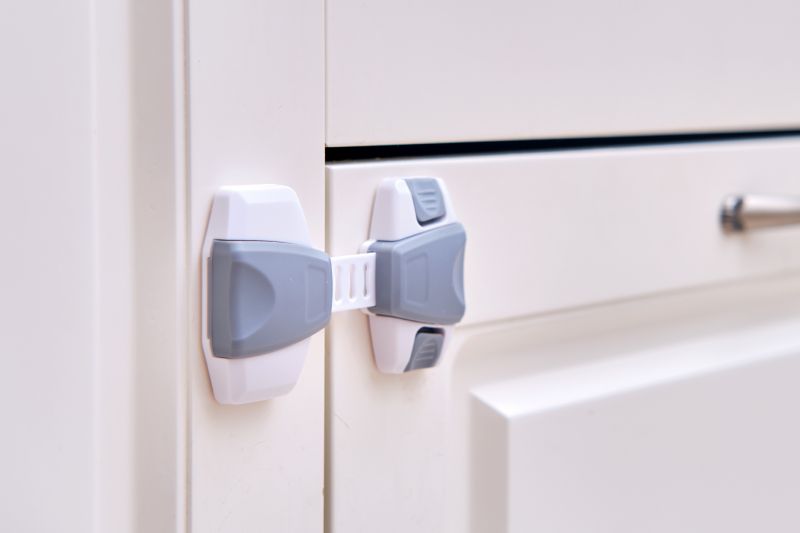

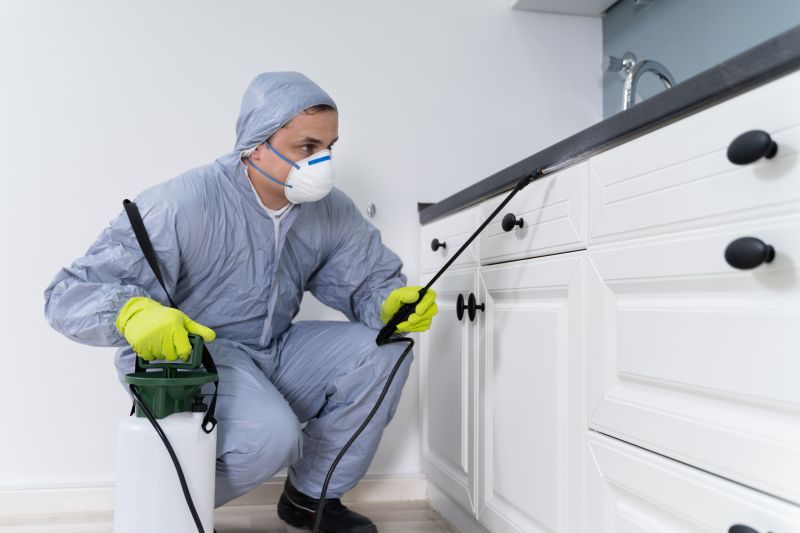
Compare local contractors' scope of work, verify experience, and set clear expectations to ensure consistent baby proofing services.
- Scope Definition - Clearly outline the specific baby proofing tasks and areas to be addressed by local contractors.
- Experience Verification - Confirm that service providers have relevant experience in baby proofing for similar spaces and needs.
- Material and Equipment Details - Specify the types of safety devices, hardware, and tools that contractors should use or provide.
- Communication of Expectations - Ensure all project requirements, safety standards, and desired outcomes are documented in writing.
- Comparison Criteria - Establish consistent criteria to compare local contractors based on expertise, scope, and proposed methods.
When comparing contractors for baby proofing services, it is important to evaluate their experience with similar projects. Look for service providers who have a proven track record of handling baby proofing tasks in environments comparable to your home. This can include familiarity with common safety hazards, knowledge of appropriate materials, and a history of completing projects that involve the specific areas you want to address. Understanding a contractor’s background in baby proofing helps ensure they are equipped to handle the unique safety considerations your household requires.
A clear, written scope of work is essential when assessing different service providers. The scope should outline the specific safety measures to be implemented, such as securing furniture, installing safety gates, or padding sharp edges. A detailed scope helps set realistic expectations and provides a basis for evaluating the thoroughness of each contractor’s proposal. It also serves as a reference point for any future discussions or adjustments, ensuring that all parties share a common understanding of what the project entails.
Verification of a contractor’s basic credentials involves confirming their experience and methods through references or previous work examples. While formal licensing or certification may not be a requirement, requesting references or testimonials from past clients can provide insight into their reliability and quality of work. Additionally, asking about their approach to safety and attention to detail can help gauge whether they follow best practices for baby proofing. This verification process is a key step in selecting a service provider who meets your standards for professionalism and safety awareness.
Evaluating options without focusing on prices involves examining how well each contractor’s services align with your needs and expectations. Consider their experience, the clarity of their scope, and their communication style. It’s also helpful to compare how each service provider approaches safety and whether their proposed solutions address your specific concerns. By focusing on these qualitative factors, homeowners can make informed decisions about which local contractors are best suited to deliver the baby proofing services that meet their household’s safety requirements.
Ask contractors to provide written scope details to ensure clear expectations and consistent service.
- Scope of Services - What specific baby proofing tasks and areas do the contractors include in their scope?
- Experience and Expertise - How do the service providers demonstrate their experience with baby proofing projects?
- Comparison of Offerings - What are the key differences in the services offered by various local contractors?
- Work Scope Clarification - How can the scope of work be clearly defined and documented before starting the project?
- Qualifications and Background - What should be clarified about the contractors’ background and previous work to ensure quality?
How can I compare baby proofing contractors? It’s helpful to review their experience, scope of services, and customer feedback to determine which local service providers meet specific needs.
What should I clarify when hiring a baby proofing contractor? Clearly define the scope of work, materials to be used, and expectations in writing to ensure mutual understanding and avoid misunderstandings.
How do I verify a contractor’s experience in baby proofing? Ask for details about their previous projects, areas of expertise, and any relevant references to assess their familiarity with baby proofing tasks.
What questions should I ask a baby proofing service provider? Inquire about their process, types of safety devices they install, and how they handle specific concerns related to your home environment.
Why is it important to set expectations in writing? Having a written agreement helps ensure that both parties agree on the scope, materials, and responsibilities, reducing potential misunderstandings.
Can I get recommendations for reliable baby proofing contractors? Yes, local service directories and trusted referral sources can help identify experienced contractors suited to your needs.
This page has provided an overview of how to find and evaluate contractors for baby proofing services. Visitors learned the importance of defining the scope of work, verifying experience, and setting clear expectations in writing to help ensure the project aligns with their needs. Comparing multiple service providers can help identify options that best match specific requirements and preferences.
Using the quote form allows for easy comparison of local contractors who specialize in baby proofing. It’s a practical step toward connecting with qualified service providers in the area, making it simpler to explore available options and gather information to support informed decisions.